

Table of Contents
- How Herbal Supplements Support Digestive Comfort
- Best Herbs for Gut Health and Bloating, Compared by Evidence
- Herbs for Digestion and Bloating: Matching Symptoms to Ingredients
- Natural Herbs for Stomach Problems, and When to See a Doctor
- Ayurvedic Herbs for Gut Health and How to Judge a Product
- Trying a Digestive Supplement This Week: Our Starter Picks
- Frequently Asked Questions
How Herbal Supplements Support Digestive Comfort
Last Updated: November 15, 2026
Herbal supplements for digestive comfort are botanical products taken to ease occasional bloating, gas and stomach discomfort. This guide explains which ingredients have the strongest support, which are more tentative, and how to judge a product before you buy. A few herbs have a reasonable evidence base for mild, occasional symptoms, while many marketing claims go well beyond the research.
Digestive herbs are generally best suited to mild, occasional discomfort, not to persistent symptoms that need a diagnosis.
Gut health, motility and the microbiome in plain terms
Your digestive tract moves food through muscular contractions called motility, and hosts trillions of microorganisms, the microbiome, that help break down food and shape digestion. Many herbal digestive products aim to influence one or both systems, often by calming the gut muscle or supporting its microbial balance.
Best Herbs for Gut Health and Bloating, Compared by Evidence
Not all herbs are equally well studied, and the strength of evidence matters more than the length of the ingredient list. Below, the most common digestive herbs are grouped by how much human research supports them, with notes on mechanism, typical forms, and practical cautions. Unlike most competitor guides, this separates clinical evidence from traditional use and preliminary research.
Herbs with the most consistent human evidence
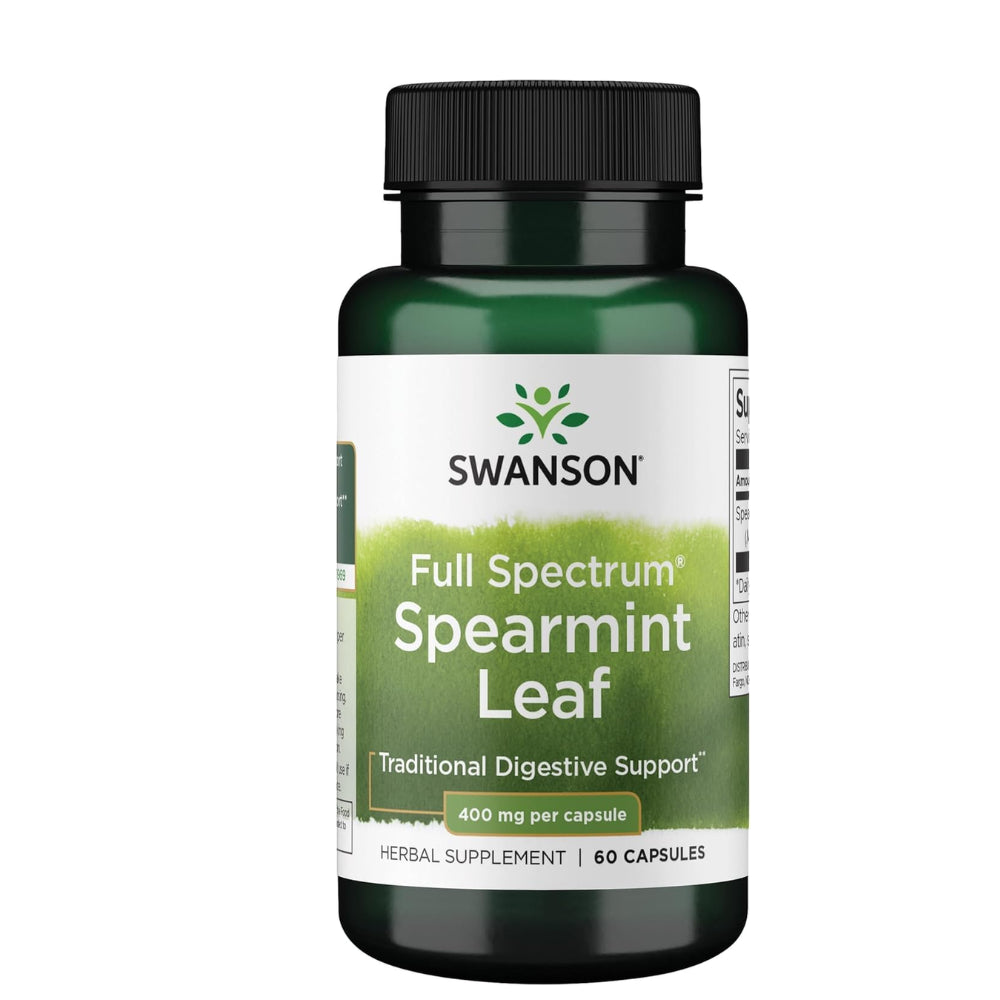
Peppermint (Mentha piperita) is among the better-studied herbs for occasional bloating and gas. For a spearmint-based option to try yourself, see spearmint digestive supplement.
Ginger (Zingiber officinale) has reasonable evidence for nausea-type discomfort, including motion sickness and mild post-meal queasiness. Its gingerols and shogaols are thought to speed gastric emptying and calm the gut.
Fennel (Foeniculum vulgare) has long traditional use for gas and bloating, and small human studies suggest it may help with mild digestive cramping.
Herbs with mixed or preliminary evidence
Chamomile (Matricaria chamomilla) is widely used for calming the gut, and its apigenin content may have mild antispasmodic effects.
Turmeric (Curcuma longa) gets attention for inflammation, but evidence for digestive comfort specifically is preliminary and often based on curcumin extracts rather than culinary turmeric.
Licorice (Glycyrrhiza glabra) appears in many traditional blends. The deglycyrrhizinated form (DGL) is generally preferred for digestive use because standard licorice can raise blood pressure and cause potassium loss.
Herbs used mainly on traditional grounds
Dandelion root (Taraxacum officinale) is traditionally used as a bitter to support digestion and regularity, but human clinical evidence for digestive comfort is limited. Carom seeds (ajwain) and nettle appear in Ayurvedic and Western blends respectively, but rigorous human data are sparse.
How to read this comparison
Match the herb to the strength of its evidence and to your main symptom. Peppermint and fennel are the most defensible choices for gas and bloating; ginger for nausea-type discomfort; chamomile, turmeric, aloe, dandelion, carom, and nettle are better described as traditional or preliminary.
The table below groups the herbs covered in this section by the strength of their evidence, so you can see at a glance which are better supported.
| Herb | Evidence strength | Best for |
|---|---|---|
| Peppermint | Among the better-studied | Gas and bloating |
| Ginger | Reasonable | Nausea-type discomfort |
| Fennel | Encouraging but thinner | Mild digestive cramping |
| Chamomile | Mixed or preliminary | Calming the gut |
| Turmeric | Preliminary | Inflammation (digestive use unproven) |
| Licorice (DGL) | Traditional blends | Generally preferred form for digestive use |
| Dandelion root | Limited | Traditional digestive support |
Herbs for Digestion and Bloating: Matching Symptoms to Ingredients
Different symptoms point toward different ingredients. Peppermint and fennel are frequently chosen for gas and bloating, ginger for nausea-type discomfort after meals, and dandelion root for its traditional role in supporting digestive function, though the evidence here is limited.

Natural Herbs for Stomach Problems, and When to See a Doctor
Herbal supplements can ease mild, occasional discomfort, but they are not a treatment for stomach conditions. Persistent pain, unexplained weight loss, blood in stool, difficulty swallowing or symptoms that keep returning should be assessed by a healthcare professional rather than managed with a supplement.
Medication interactions and conditions that need caution
Herbs are active compounds and can interact with prescription drugs. Anyone taking blood thinners, diabetes medication, blood pressure treatment or immunosuppressants should check with a clinician before starting a new herbal product. Pregnant or breastfeeding women should also seek advice first, as many herbs lack safety data for these groups.
Ayurvedic Herbs for Gut Health and How to Judge a Product
Ayurvedic traditions use several herbs for digestion, including ginger, fennel, carom seeds, and licorice. These traditional uses are worth knowing about, but they are not the same as clinical proof of effect. The more practical question is how to judge a product before you buy it, and that is where most competitor guides stay vague.
Start with the form: whole herb, powder, or extract
Herbal supplements come in several forms, and the form changes the dose and the evidence. Whole-herb powders and teas are traditional but variable in strength. Standardized extracts are concentrated and adjusted to a marker compound, such as menthol in peppermint or gingerols in ginger, making dosing more consistent. Enteric-coated capsules release in the intestine rather than the stomach, which matters for peppermint oil. Tinctures and liquid extracts are absorbed quickly but less standardized.
Check standardization and the marker compound
A well-labeled product states whether the herb is standardized and to what marker, a peppermint oil product may state menthol content, a ginger extract may state gingerol content. If the label only says "peppermint" or "ginger" without a marker or extract ratio, you cannot judge strength. "Proprietary blend" labels that list several herbs without individual amounts make it impossible to know whether any herb is present at a meaningful dose.
Look for third-party testing and quality seals
Independent testing for purity, potency, and contaminants adds confidence. Look for seals from organizations such as NSF International, USP, or ConsumerLab, and check whether the product has been tested for heavy metals, pesticides, and microbial contamination, common concerns with imported botanicals. A product that names its testing laboratory or publishes a certificate of analysis is generally more transparent.
Read the label for amounts, serving size, and cautions
A useful label lists each herb and its amount per serving, the serving size, and any cautions. Check whether the amount matches what research used; if a product lists 50 mg of an herb that studies used at 500 mg, the dose is likely too low to matter. Also check for allergens, added sugars or sweeteners in powders, and non-GMO or organic labeling if those matter to you.
Match the product to your main symptom
A symptom-based decision guide is more useful than a broad "digestive support" claim. If gas and bloating are your main issue, a peppermint-oil or fennel-based product is the most evidence-aligned choice. If nausea-type discomfort after meals is the issue, ginger is the better match. For broader gut support, a probiotic or fermented-herb blend may be more relevant than a single digestive herb, though evidence for probiotic strains varies by strain and condition.
Know the red flags that mean see a clinician
Reading the ingredient label carefully, checking the form and standardization, and matching the herb to your main symptom is the most useful habit you can build, better than any single claim on the front of the bottle.
Trying a Digestive Supplement This Week: Our Starter Picks
If you want to try a digestive supplement, start with one product and one main symptom. Give it a fair trial of a few weeks, keep a short note of when symptoms occur, and stop if you notice any adverse reaction.
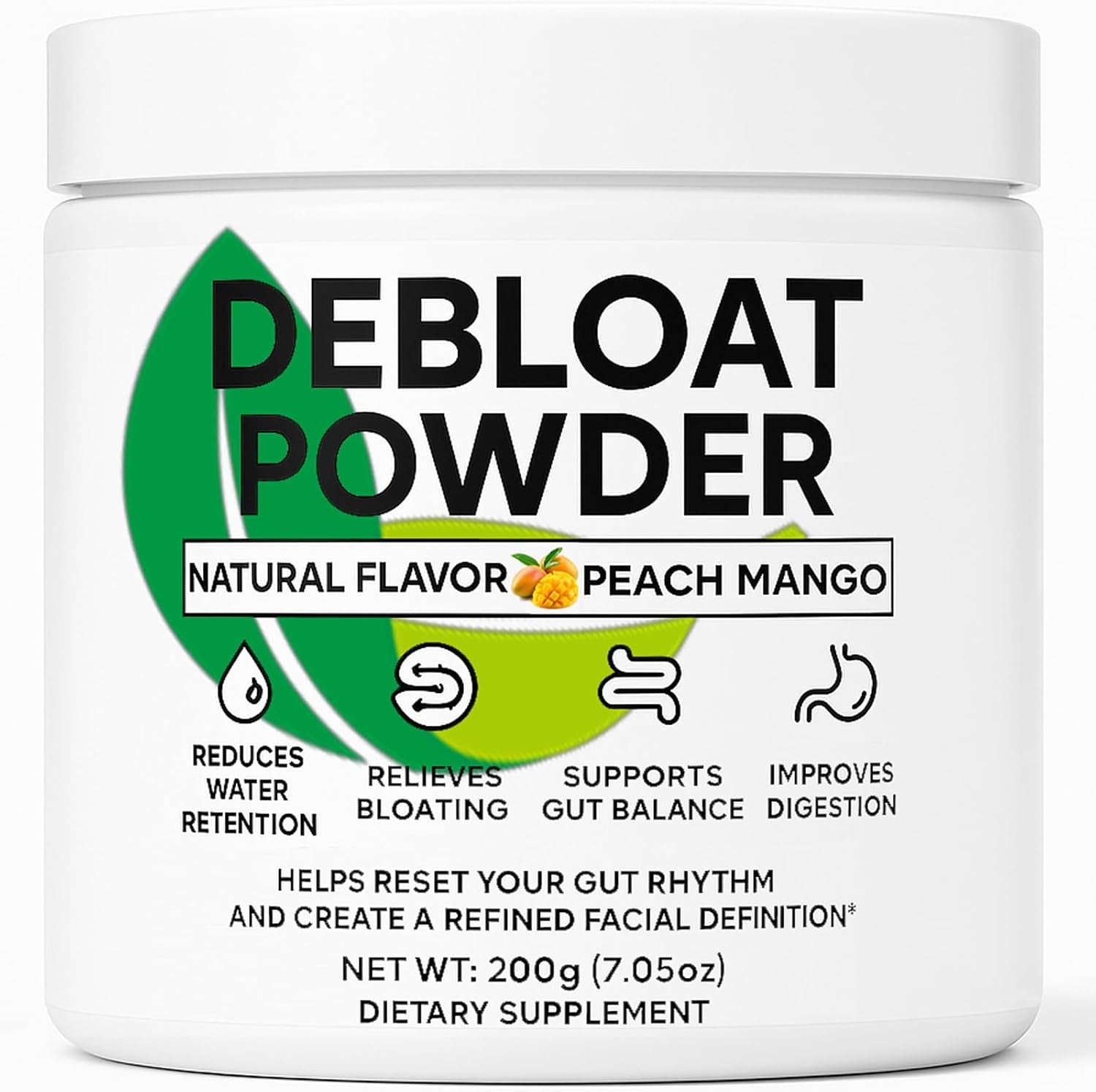
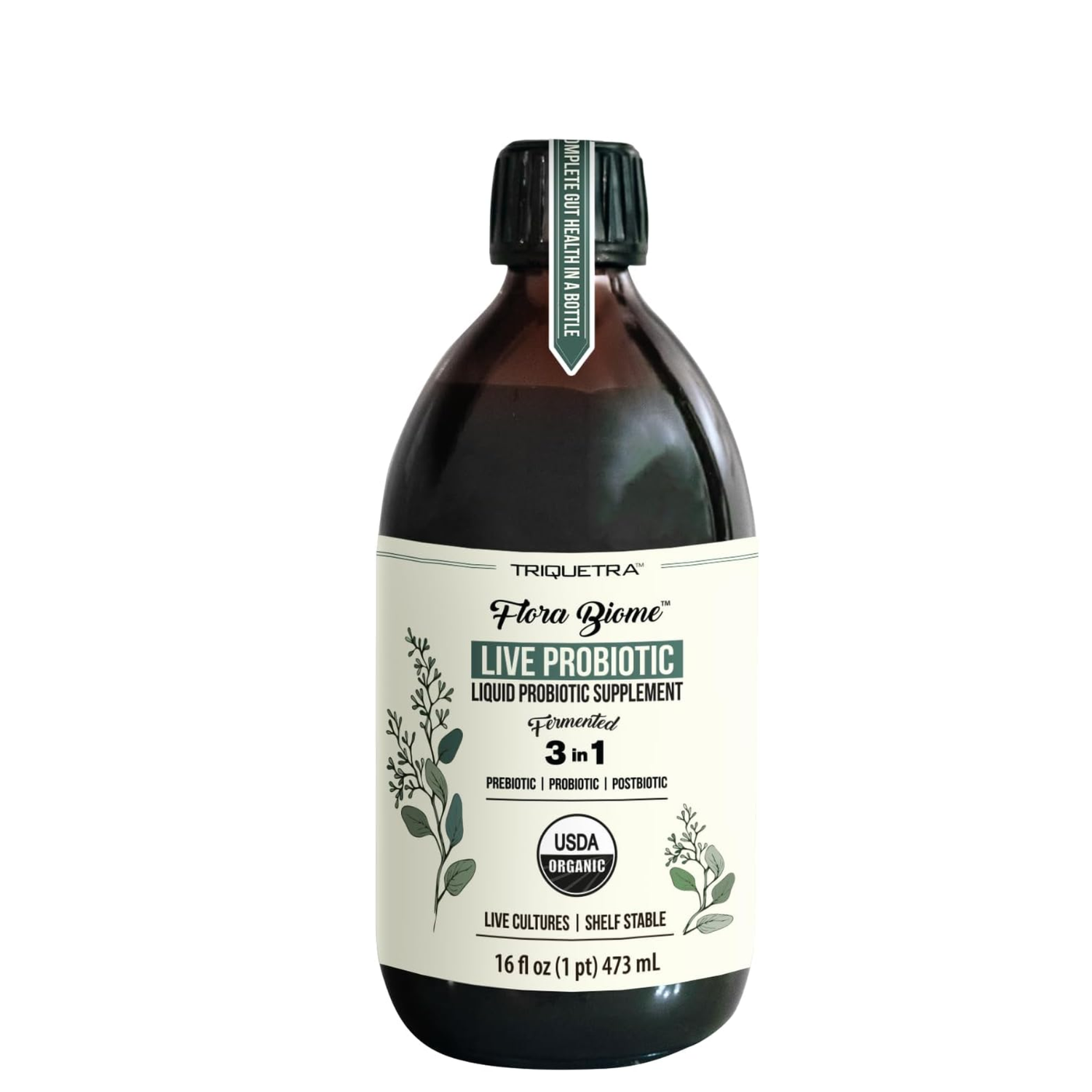
For a peppermint-based option, the Spearmint Leaf Full Spectrum Digestive Supplement is designed to support digestive comfort. The Debloat Powder for Supports Digestive Comfort & Bloating Relief is a peach mango powder made with dandelion root, nettle and horsetail extract. If you would rather look at a broader gut-focused option, the Flora Biome Complete Gut Health Probiotic Blend pairs 10 live probiotic strains with 18 fermented herbs.
Whichever you choose, keep your expectations modest, check the label, and talk to a healthcare professional if your symptoms persist.
Frequently Asked Questions
Which herb is best for digestive issues?
No single herb suits every digestive complaint. Peppermint oil has the most clinical research behind it for occasional bloating and abdominal discomfort, while ginger is commonly used to ease nausea and slow stomach upset. Fennel is traditionally used after meals to support gas relief. Match the herb to your main symptom, start with one product at a time, and note how your body responds over two to three weeks before deciding whether it is working for you.
What herbal supplements help with digestion?
Commonly used options include peppermint, ginger, fennel, chamomile and dandelion root, each with different levels of supporting evidence. Multi-ingredient blends like Penny's Treasure Chest's Debloat Powder combine digestive enzymes with herbs such as dandelion root and horsetail extract. Check the ingredient list for the specific herbs and amounts, since a blend's label rarely tells you how much of each active ingredient it contains.
Are herbal digestive supplements safe to take every day?
Many people take herbal digestive products daily without problems, but safety depends on the herb, the dose and your health history. Peppermint oil can worsen heartburn in some people, and some herbs interact with blood thinners, diabetes medication or other prescriptions. If you are pregnant, breastfeeding, taking regular medication or have a condition such as reflux or gallbladder disease, speak with your doctor or pharmacist before starting. Stop and seek advice if symptoms worsen or you notice new pain, blood in stool or unexplained weight loss.
How do I choose a herbal supplement for digestive comfort?
Start with the symptom you want to address, then look for a product that names each herb with its amount rather than using a proprietary blend. Check for third-party testing, a clear batch or lot number and a return policy so you can try it safely. Penny's Treasure Chest offers a 30-day exchange guarantee on its products, which gives you a set window to decide whether a supplement suits you. Give any new product at least two to three weeks before judging it.


