

Last Updated: November 22, 2026
Quick Summary
You can improve digestion with herbs by matching each one to your symptom: peppermint, fennel, ginger, and spearmint are commonly used for digestive comfort. Herbal tea is the easiest start, steeping one teaspoon of dried herb in hot water for five to ten minutes and sipping it slowly after meals.
- Ginger, peppermint, fennel, cumin, and basil have supported digestive comfort for centuries.
- Give any herb a week of consistent use before judging it.
- Steep one teaspoon of dried herb in hot water for five to ten minutes.
- Drink peppermint tea after dinner and chamomile tea before bed.
- Let very hot tea cool slightly, since it can irritate a sensitive stomach.
Table of Contents
- How to Improve Digestion with Herbs and Spices
- Herbs for Digestion and Bloating
- Herbs for Digestion Tea
- Frequently Asked Questions
How to Improve Digestion with Herbs and Spices
Learning how to improve digestion with herbs starts with one truth: your kitchen already holds a working pharmacy. Ginger, peppermint, fennel, cumin, and basil have supported digestive comfort for centuries, and guidance from the National Center for Complementary and Integrative Health still points to several as reasonable options for everyday stomach upset. Below, we match the most useful herbs and spices to digestive concerns and flag who should be careful. To act on this advice, browse our Gut Health Digestion collection.
Herbal digestive support means using plant parts, brewed, chewed, or taken as a supplement, as part of a routine for digestive comfort. It is not a replacement for medical care. For a deeper, evidence-based look at which herbal supplements actually work for digestive comfort, read Herbal Supplements for Digestive Comfort: What Works.
Herbs for Digestion and Bloating
Peppermint, fennel, ginger, and spearmint are among the herbs people commonly use for digestive comfort, and matching an herb to a specific symptom is a sensible approach.
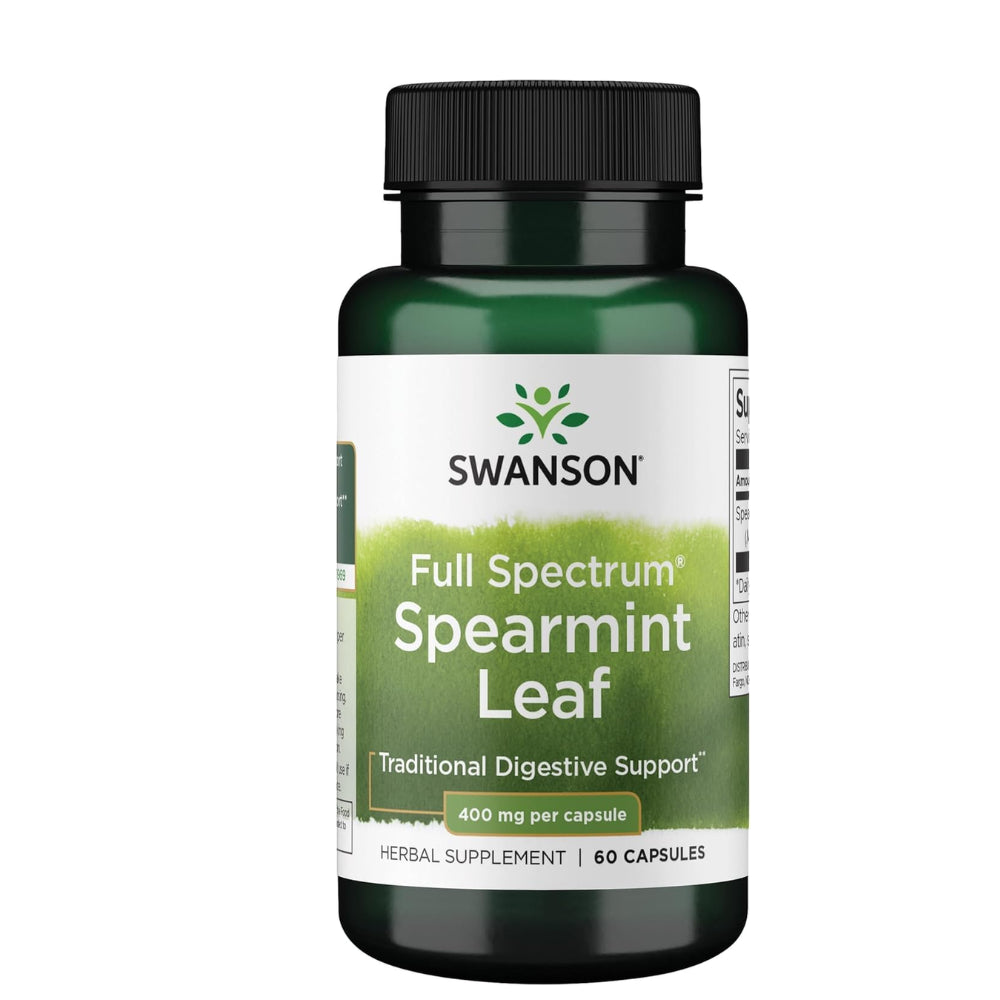
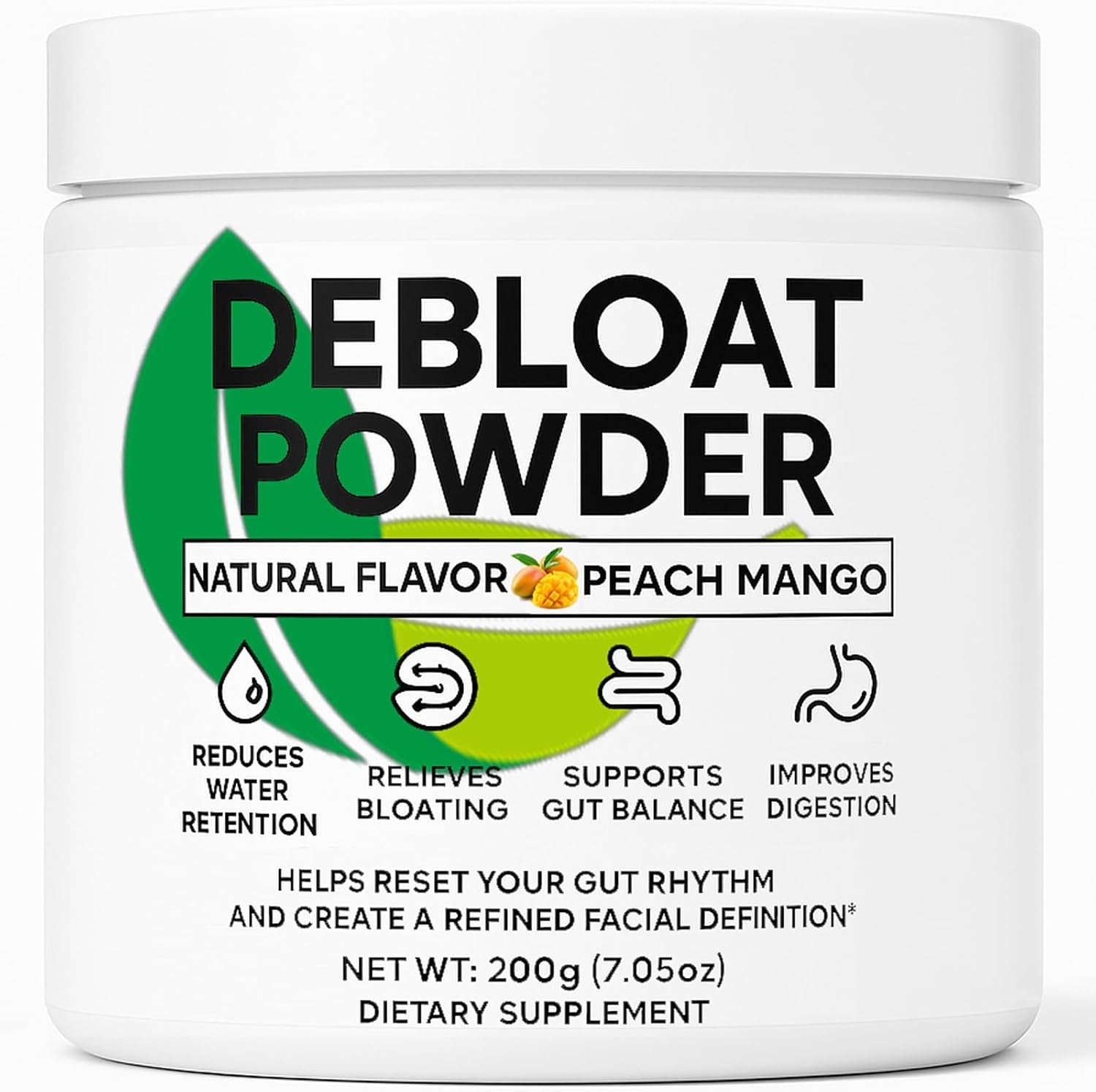
For a ready-made option, our Spearmint Leaf Full Spectrum Digestive Supplement delivers spearmint in a daily capsule. Our Debloat Powder for digestive comfort is a peach mango drink mix made with digestive enzymes, dandelion root, and horsetail extract. Give any herb a week of consistent use before judging it.
Herbs for Digestion Tea
Herbal tea is the easiest way to start, because you can adjust strength cup by cup. The best herbs for digestion tea are peppermint, ginger, fennel seed, and chamomile; steep one teaspoon of dried herb in hot water for five to ten minutes, then sip slowly after meals.
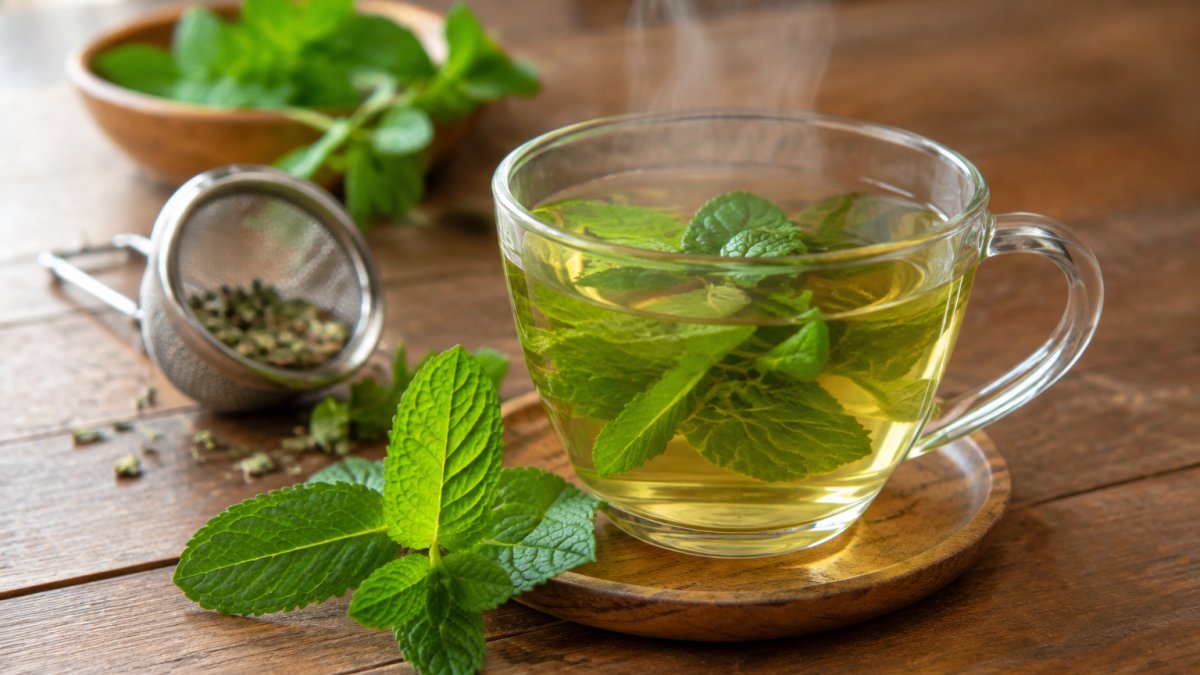
Many people enjoy peppermint tea after dinner, ginger tea with a meal, fennel tea in the evening, and chamomile tea before bed. Let very hot tea cool slightly, since it can irritate a sensitive stomach. For a loose-leaf blend, our Green Tea and Elderberry Loose Leaf Herbal Tea makes a pleasant daily cup.

These are the herbs the article recommends for digestive tea, with when to drink each one.
| Herb | When to drink |
|---|---|
| Peppermint | After dinner |
| Ginger | With a meal |
| Fennel | In the evening |
| Chamomile | Before bed |
Digestive discomfort is common, but it does not have to run your day. At Penny's Treasure Chest, we handpick affordable herbal powders, teas, and supplements so you can build a routine without the luxury markup. Our range includes digestive supplements, debloat powders, and loose-leaf teas, all backed by free shipping on orders over $200 and a 30-day exchange guarantee. Get started with Penny's Treasure Chest and find the herbal support that fits your daily wellness routine.
Frequently Asked Questions
Which herbs may help support digestion?
Several herbs are traditionally used to support digestion. Peppermint, ginger, fennel, chamomile, cumin, and basil are among the most common. Peppermint, ginger, and fennel are among the herbs people commonly use for digestive comfort. These herbs are available as teas, capsules, or powders, and many people find them helpful as part of a daily routine. Always start with small amounts and monitor how your body responds.
What herbs are commonly used for digestion and bloating?
Peppermint and fennel are herbs many people use in their daily routines. Chamomile and cumin are also used. You can try them as teas, or look for supplements that combine these ingredients. If bloating persists, it's wise to talk to a healthcare professional to rule out underlying issues.
When should I talk to a healthcare professional about digestive symptoms?
Seek medical advice if you experience severe pain, unexplained weight loss, blood in your stool, persistent vomiting, or symptoms that last more than a few weeks. Herbs can support mild, occasional discomfort, but they are not a substitute for medical care. If you have a diagnosed condition like IBS or are taking medication, check with your doctor before starting any new herbal supplement.


