

Last Updated: November 19, 2026
Quick Summary
Adaptogenic drink mixes are powdered or steeped blends built around adaptogens, herbs and minerals traditionally used to support steady energy, focus and stress balance rather than a sharp spike and crash. A genuine blend should disclose named extracts and milligram amounts, so you can point at each ingredient and explain why it is there. Match the format to your routine, since a capsule you remember beats a powder you do not.
- Supercalm Powdered Drink Mix costs $159.99 for a 20-count box and lists no caffeine.
- The Sea Moss & Shilajit Dynamic Vitality Bundle is a 60-count capsule set priced at $59.99.
- Pure Himalayan Shilajit Resin is a 68g jar standardized to 600mg with a fulvic acid formula.
- Green tea naturally contains caffeine, so the elderberry loose leaf blend is not zero-caffeine.
- If a label hides amounts behind a proprietary blend, you cannot compare it to anything.
Table of Contents
- Why Adaptogenic Drink Mixes Beat a Second Coffee
- Quick Comparison: Adaptogenic Drink Mixes for Energy
- 1. Supercalm Powdered Drink Mix: Best for Calm, Focused Energy
- 2. Sea Moss & Shilajit Dynamic Vitality Bundle: Best for All-Day Stamina
- 3. Pure Himalayan Shilajit Resin: Best for Fighting Fatigue
- 4. Green Tea and Elderberry Loose Leaf Herbal Tea: Best Caffeine-Free Energy Drink Mix Alternative
- 5. Organic Kelp Powder: Best for Thyroid and Metabolism Support
- What Adaptogens Help With Energy and How to Read a Label
- Frequently Asked Questions
Why Adaptogenic Drink Mixes Beat a Second Coffee
Adaptogenic drink mixes are powdered or steeped blends built around adaptogens, herbs and minerals that are traditionally used to support steady energy, focus and stress balance rather than a sharp spike and crash. At Penny's Treasure Chest, we get asked the same question constantly: why do some people feel wired on coffee and others feel nothing at all? The answer usually comes down to what's in the cup. Caffeine is a stimulant that pushes the body to work harder. Adaptogenic blends are generally built to work differently, supporting the body's own stress response.
That distinction matters more than most labels admit. Many products called "energy drinks" are just caffeine with a botanical name printed on the front. A genuine adaptogenic drink mix for energy should be readable: you should be able to point at each ingredient and explain why it's there.
Below, we'll show you exactly how we evaluate these blends, what the five products in our own collection actually do, and how to pick one based on your energy pattern.
Quick Comparison: Adaptogenic Drink Mixes for Energy
Here's the short version before the detail. Each pick below is a product from our range, priced as listed, with the use case it fits best.
| Product | Format | Price | Caffeine | Key disclosed ingredients | Best For |
|---|---|---|---|---|---|
| Supercalm Powdered Drink Mix | Powder sachets | $159.99 | None listed | KSM-66 ashwagandha, L-theanine, magnesium glycinate, vitamin D3 | Calm, focused energy |
| Sea Moss & Shilajit Dynamic Vitality Bundle | Capsules | $59.99 | None | Sea moss, shilajit, ashwagandha, rhodiola | All-day stamina |
| Pure Himalayan Shilajit Resin | Resin | $48.99 | None | Shilajit standardized to 600mg, fulvic acid formula | Fighting fatigue |
| Green Tea and Elderberry Loose Leaf Herbal Tea | Loose leaf | $83.99 | From green tea | Green tea, elderberry | Caffeine-free alternative |
| Organic Kelp Powder | Powder | $88.99 | None | 100% organic kelp (iodine, minerals) | Thyroid and metabolism support |
Price
A quick note on that table: "caffeine-free" here means no added stimulant is listed on the product information we hold. Green tea naturally contains caffeine, so the elderberry blend is a gentler option rather than a zero-caffeine one. If you need strictly zero caffeine, the shilajit, kelp and capsule options are the ones to look at.
Two columns worth explaining. Caffeine is listed by source where the product information specifies it. Key disclosed ingredients lists the ingredients named on each product page, and where a product does not state an amount, we do not imply one.
On value, the honest comparison is cost per serving rather than sticker price. A 20-count box of sachets and a 60-count capsule set are not priced the same way per day, and a loose-leaf tea stretches further per gram than a single-serve powder. We've kept the listed prices in the table so you can do that math against your own routine, a product you use daily and a product you use twice a week have very different real costs.
Watch out: a low sticker price can hide a high cost per serving if the tub is small or the scoop is large. Check the serving count on the product page before you compare two prices directly.
1. Supercalm Powdered Drink Mix: Best for Calm, Focused Energy
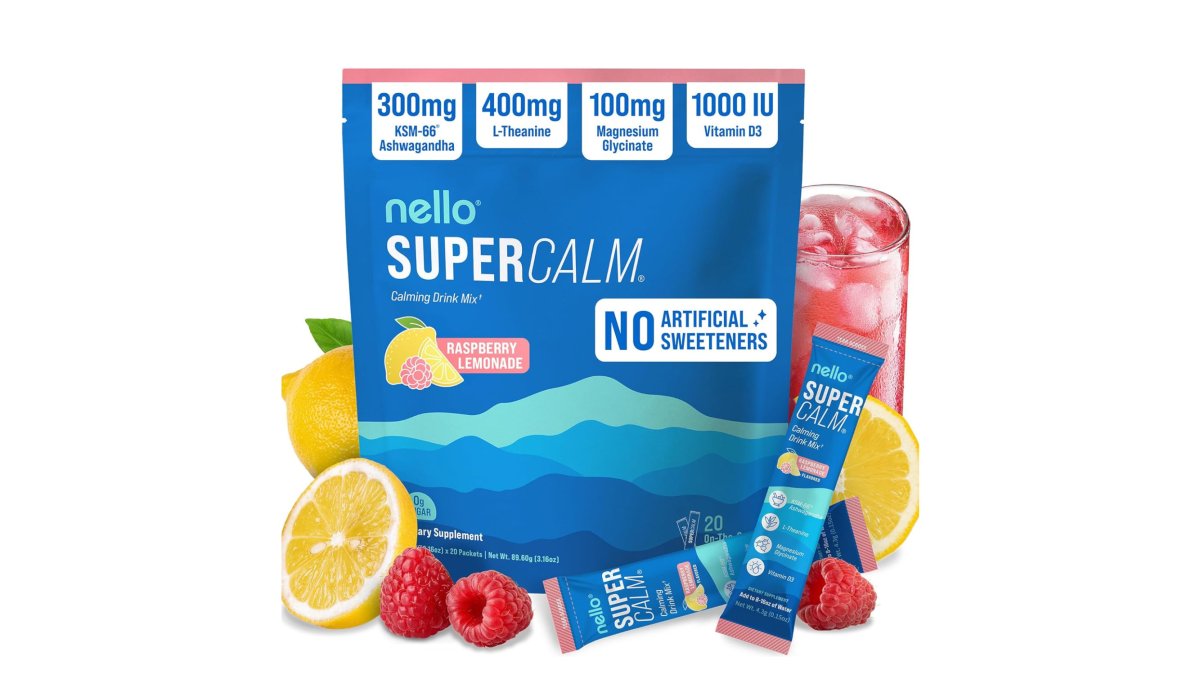
Supercalm is designed for calm, focused energy: a raspberry lemonade powdered drink mix with KSM-66 ashwagandha, L-theanine, chelated magnesium glycinate and vitamin D3, formulated without sugar, fillers or proprietary blends.
The product listing names its ingredients, including KSM-66 ashwagandha, L-theanine and magnesium glycinate, which are the ingredients this product is built around.
Best for: busy professionals who want steady focus without a stimulant. Skip if: you're looking for a fast caffeine hit before a workout.
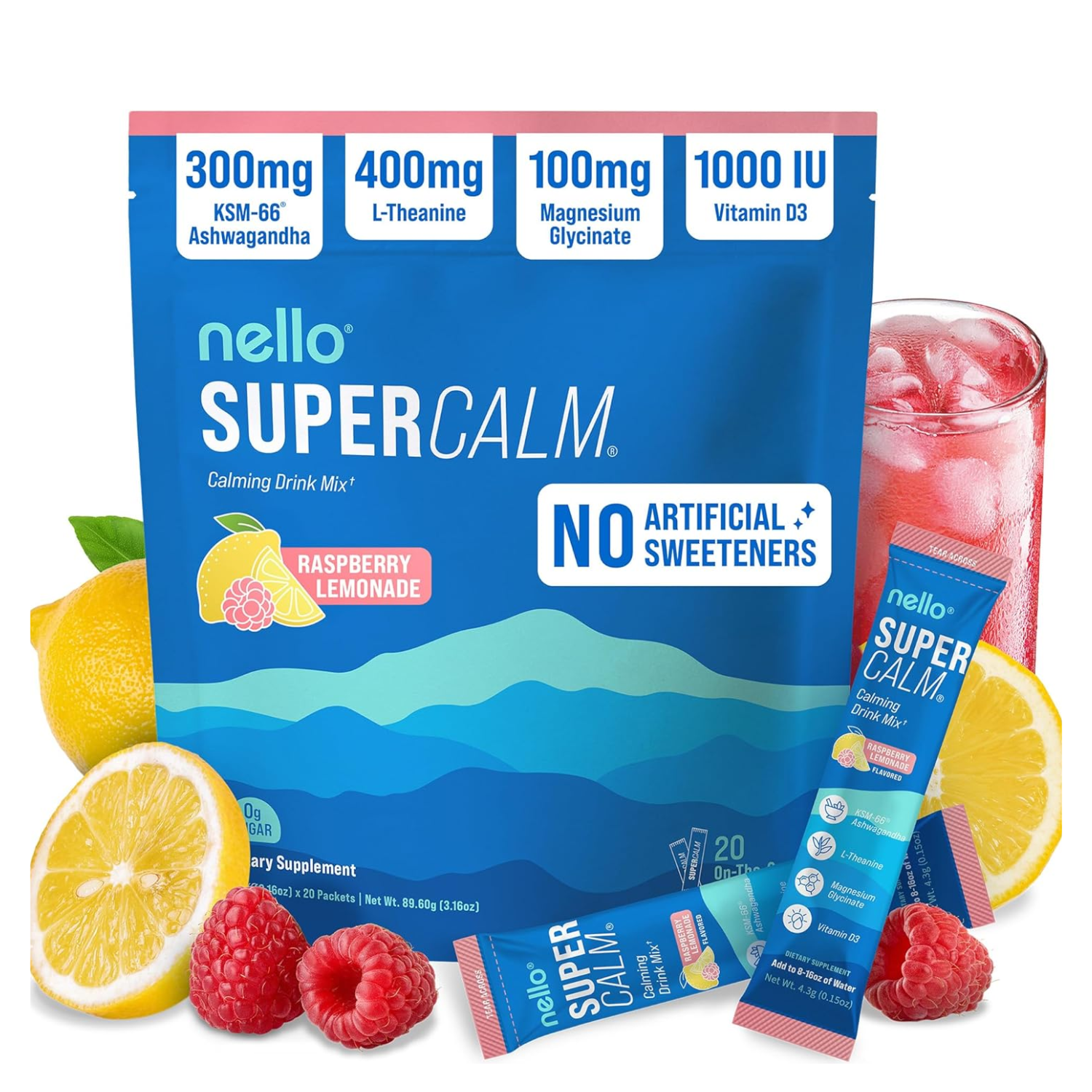
You can view the Supercalm powdered drink mix for the full ingredient panel and serving details. One honest limitation: at $159.99 for a 20-count box, the cost per serving is higher than a bag of loose tea, so it suits people who want a single daily ritual rather than an all-day sipper.
2. Sea Moss & Shilajit Dynamic Vitality Bundle: Best for All-Day Stamina
The 60-count capsule set pairs organic sea moss with shilajit, plus ashwagandha and rhodiola, two adaptogens traditionally associated with stress support and mental clarity.
Capsules have no flavor to tolerate and nothing to mix, while some people find a warm drink easier to keep a routine with than a pill.
Best for: people with back-to-back days who want one simple daily habit. Skip if: you specifically want a drink format.
Details and current pricing are on the Sea Moss & Shilajit Dynamic Vitality Bundle page.
3. Pure Himalayan Shilajit Resin: Best for Fighting Fatigue
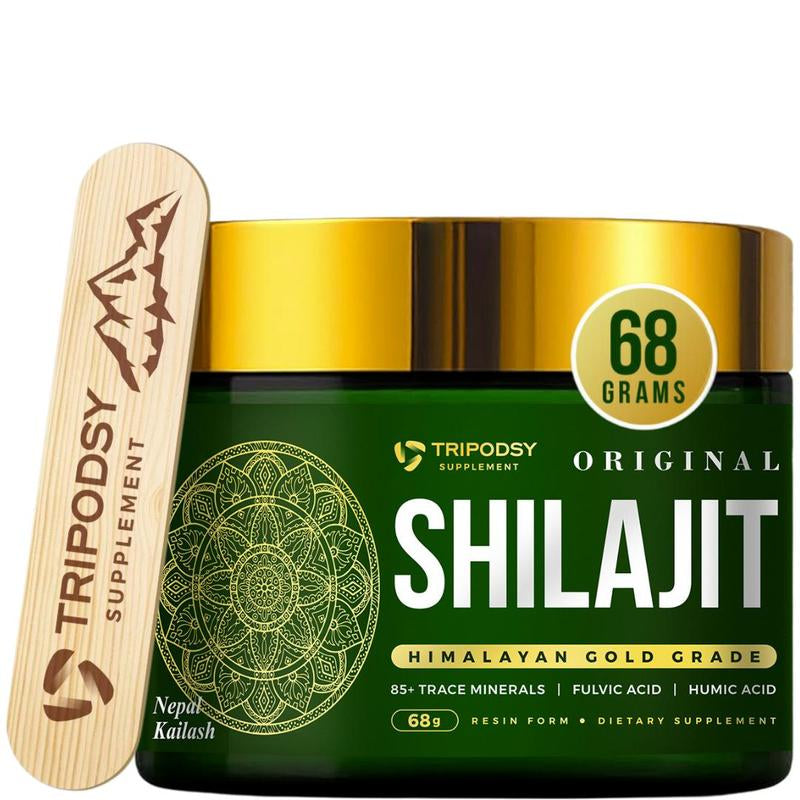
This pure Himalayan shilajit resin is a 68g jar standardized to 600mg, processed with a fulvic acid formula that the product information links to mineral absorption and digestion support. The listing describes it as free from additives and impurities, sourced from the Himalayas.
Resin is a measured, single-ingredient option, and its taste is earthy and bitter, so it may not suit those who dislike strong flavors.
Best for: people who prefer a single-ingredient supplement over a blend. Skip if: you want something you can drink without measuring.
The Pure Himalayan Shilajit Resin page lists the serving size and jar weight in full.
4. Green Tea and Elderberry Loose Leaf Herbal Tea: Best Caffeine-Free Energy Drink Mix Alternative
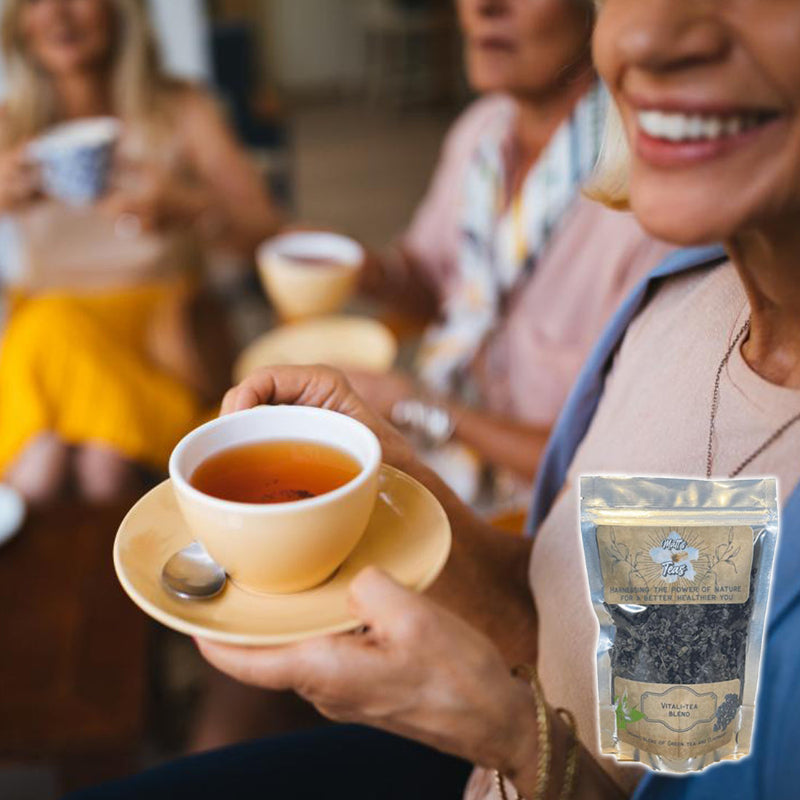
Not everyone wants a powder. This loose leaf blend of green tea and elderberry combines green tea with elderberry, which the product information describes as an antioxidant and immune-supporting ingredient. It's naturally flavored, with no added sweetener, and works as a morning tea, an afternoon pick-me-up or an evening wind-down.
We'll be straight with you about the caffeine question. Green tea contains caffeine, so this is not a zero-caffeine product. If you need strictly caffeine-free, look at the shilajit or kelp options instead.
Best for: tea drinkers who want a warm, low-effort daily ritual. Skip if: you need a measured, standardized dose.
Full blend and brewing details are on the Green Tea and Elderberry Loose Leaf Herbal Tea page.
5. Organic Kelp Powder: Best for Thyroid and Metabolism Support
This organic kelp powder, made from Canadian seaweed, is rich in iodine and minerals, and the product information ties it to thyroid health and metabolism support. It's 100% pure powder with no additives, and it dissolves into smoothies and soups where the earthy flavor disappears behind other ingredients.
A word of caution, because this is where people get hurt. Iodine is not a "more is better" nutrient, and kelp is concentrated. If you have a thyroid condition or take thyroid medication, speak to your doctor before adding kelp to your routine.
Best for: people building mineral density into a smoothie habit. Skip if: you have a diagnosed thyroid condition and haven't checked with your clinician.
Ingredients and pack size are listed on the Organic Kelp Powder page.
What Adaptogens Help With Energy and How to Read a Label
Adaptogens are botanicals traditionally used to help the body manage stress, and the ones often discussed for energy include rhodiola, ginseng, cordyceps, shilajit, ashwagandha, tulsi and L-theanine. The useful question is which role an ingredient is meant to play, and whether the label discloses a meaningful amount of it.
Here is how the common energy ingredients differ by intended effect, so you can match the label to your energy pattern rather than the marketing:
- Rhodiola rosea, alertness and perceived fatigue. Most often discussed for long days and mental clarity rather than physical output. Look for a named extract (often standardized to rosavins and salidroside) and a disclosed milligram amount; generic "rhodiola root powder" tells you little.
- Panax ginseng, alertness and stamina. Traditionally used for fatigue and focus. Extract type and ginsenoside standardization matter more than the front-of-pack claim.
- Ashwagandha, stress-buffered focus. Named extracts such as KSM-66 or Sensoril are the ones usually studied; a vague "ashwagandha root" gives you no way to compare dose.
- Cordyceps, stamina and exercise-adjacent energy. Often paired with caffeine in pre-workout-style blends, so check whether the lift is the mushroom or the stimulant.
- Shilajit, fatigue and mineral support. A resin or powder rather than a classic herb; dose and fulvic acid content are the numbers to look for.
- L-theanine, calm focus, usually with caffeine. Commonly paired with caffeine to smooth the edge; it is an amino acid, not an adaptogen, but it shows up in most energy blends for a reason.
Now the label checks that actually separate a real blend from caffeine with a botanical name on the front:
- Named extracts over generic powders. "KSM-66 ashwagandha" or a standardized rhodiola extract tells you more than "ashwagandha root" or "rhodiola." Standardization is the difference between a comparable dose and a mystery scoop.
- Dose transparency. If the label hides amounts behind a "proprietary blend," you can't compare it to anything, including the studies. A disclosed milligram amount per adaptogen is the single best signal of a serious formula.
- Caffeine disclosure, in milligrams and by source. Any stimulant should be stated plainly, in milligrams, with its source (green tea, guayusa, added caffeine). "Caffeine-free" should mean zero, not "no added caffeine", green tea and guayusa carry their own.
- Format fit. Powders, teas, capsules and resins suit different routines. Pick the one you'll actually keep up with; a capsule you remember beats a powder you don't.
Watch out: a blend can list five adaptogens and still deliver a meaningful dose of none of them. If the amounts are hidden or the extracts are unnamed, treat the ingredient list as flavor text rather than a formula.
On safety, the cautions depend on the ingredient. Ashwagandha is not recommended during pregnancy, and anyone taking medication for thyroid conditions, blood pressure or mood should check with a clinician first, ashwagandha and rhodiola in particular are the ones most often flagged for interactions. Kelp and other iodine-rich ingredients deserve the same caution if you have a thyroid condition. The NIH Office of Dietary Supplements fact sheets are a sensible starting point for individual ingredients, and a pharmacist is a good second stop if you take prescription medication.
These blends are best used as part of a routine alongside sleep, food and medical care. The FDA guidance on dietary supplement claims explains what a supplement label can and cannot legally promise, which is useful context when a product sounds miraculous.
Frequently Asked Questions
What adaptogens help with energy?
The ones you will see most often in energy-focused blends are ashwagandha, rhodiola rosea, cordyceps, Asian ginseng and tulsi. Ashwagandha and rhodiola are usually chosen for stress-related fatigue, while cordyceps and ginseng lean toward physical stamina. Shilajit, though a mineral-rich resin rather than a classic herb, is also used for tiredness and focus. Dose matters more than the name on the label, so check that the product states how much of each extract a serving delivers.
Can adaptogenic drink mixes provide energy without caffeine?
Yes, and that is the main reason people choose them. A caffeine-free energy drink mix works through adaptogens and minerals rather than stimulation, so you avoid the jittery peak and the crash a few hours later. If you want an immediate lift, a green tea blend gives you a gentler caffeine dose alongside the adaptogens.
Are adaptogenic drink mixes safe to use every day?
Check the total ashwagandha or rhodiola across everything you take, not just the drink mix. Anyone pregnant, breastfeeding or taking medication should speak to a doctor first.
How do I choose an adaptogenic drink mix for focus rather than sleep?
Read the ingredient list for the stimulant-leaning adaptogens: rhodiola rosea, cordyceps, Asian ginseng and green tea. Blends built around ashwagandha, L-theanine and magnesium glycinate are oriented toward calm, which may suit an evening routine. Match the blend to the time of day you plan to drink it, and start with one serving to see how you respond before making it a daily habit.


